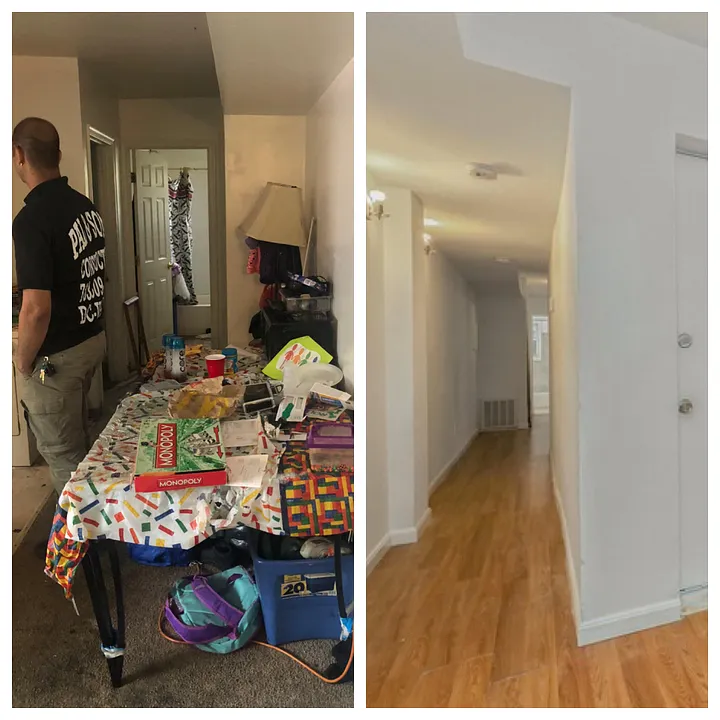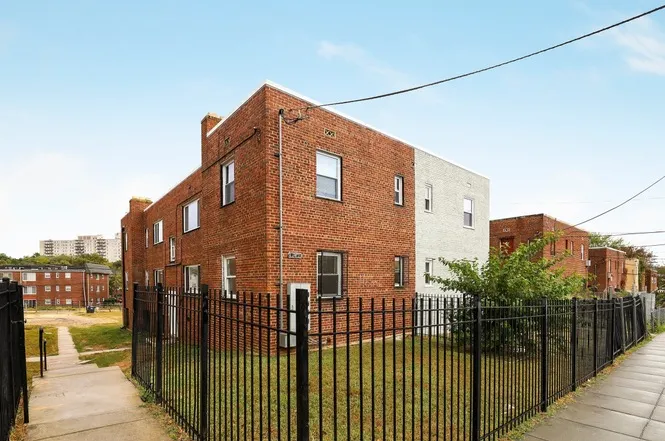
The journey began in July of 2017, two months after my first child was born. Fueled by ambition and the unwavering will to leave a legacy, I jumped headfirst (with a partner) into purchasing my first multi-family building in my hometown, Washington, DC. The feeling was overwhelming. From navigating the responsibilities, laws, and implications associated with property ownership, this 3+ year experience has been one for the books. While there is certainly great pride in owning property in your hometown….this venture was FAR more than I bargained for.
Firstly, the Washington, DC real estate market is an uh….aggressive one. In arguably one of the most rapidly developed (or gentrified) cities in modern history (in terms of development dollars), the window for affordable real estate investment was slim for investors not looking to pay astronomical outlays. Back in 2017, the continual increase in single-family home prices strengthened the demand for rental units. Also, the volatility of the stock market pushed more investors into US Treasury Bonds and Income Property Investments. In a town that boasts $567k in median home value, along with ~75k in median annual household income, I was facing “higher than normal” dollars per sq/ foot (est. $538 back in 2017). I knew very little of this prior to purchasing. All I knew was there was an opportunity ahead of me…and “Scared money don’t make money”.
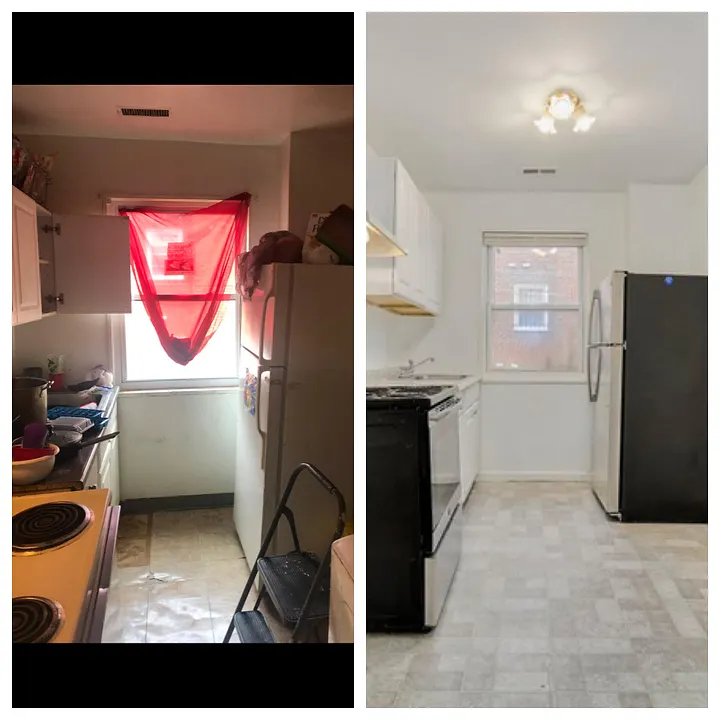
We settled on a 3 unit (2, 4 bedroom units, and 1, 1 bedroom unit)in hopes of converting the 1 bedroom unit into a 4 bedroom unit, totaling out at 3, 4 bedroom units. That change would have materially increased monthly revenue softening the blows of building operations and other costs. Fast forward to 2020, on the eve of selling the building, and that conversion work still isn’t done (project costs > allocated budget). The construction plans represent only one piece of things we didn’t account for beforehand. Needless to say….its been a hell of a ride! From court appearances (tenant disputes) to Tenant Occupant Rights (TOPA); from DC Housing inspections to squatting…we dealt with our share of issues. Would I ever invest in DC again?……Never say never. However, I’ll be armed with the following lessons if I pursue this path again.
Acquisition
Its cited that acquisition costs are the biggest barrier to acquiring an investment property. To circumvent this, I would strongly recommend house hacking. House Hacking is a strategy that involves renting out portions of your primary residence to generate income that is used to offset the cost of your mortgage and other expenses associated with owning a home. Pursuing the house hacking route, easily knocks off about ~16.5% (assumes a 3.5% FHA vs. 20% investment loan down payment). Since house hacking makes the property your primary residence, banks will offer MUCH lower interest rates as compared to the standing rates for investment property types.
Also, it’s important to determine what your investment basis is. Are you looking for monthly cash-flow or is equity-gain alone sufficient? If you are pursuing a cash-flow strategy (which I would recommend), you’re going to want to thoroughly understand what maintenance and utilities costs will look like. Stupidly, I only looked at Rent rolls minus mortgage costs…completely disregarding utilities, vacancy forecasts, etc….I know, a HUGE miss.
I’d recommend calculating your “cap rate” (capitalization rate), prior to hopping into a property. This is a measure used to evaluate real estate profit potential.
Cash vs. Equity strategy
As I eluded to above, most investors are choosing between cash flow or equity as a basis for their investment. Cash is as simple as the take home margin after all expenses are settled. Equity, though, is attached to the asset itself….meaning you need to either sell off the property to liquify that equity or use it as collateral. Don’t get me wrong, there are certain investment scenarios where pursuing the equity play is clear. Flipping or real estate development lend to equity strategies- spending less on the project than you sell it for. Also, there are some creative things you can do with taxes to defer capital gains taxes. However, as smaller investors, neglecting cashflow puts you at risk of a down market. Cash flow is critical. With positive cash flow, you can build a cushion for unexpected costs, and other short-term changes (tenants not paying rent). You build a reserve for a whole host of things that can, and will, happen.
Know your rights
Going into property ownership, I naively disregarded the high likelihood that I would have to involve the courts. You guessed it….I ended up needing to involve the courts. D.C. is an extremely tenant-friendly municipality. Meaning the laws in the district favor the tenants, presenting obstacles for owners. Many times, unreasonable ones. In the past 3 years, the following laws stood out. Firstly, a landlord/owner cannot sell housing without offering it to the renter first. Its called, Tenant Opportunity to Purchase Act (TOPA). The tenant living in the apartment gets first right of refusal if you want to sell or demolish the property. This is an anti-development/gentrification measure that has taken on a predatory life of its own. Secondly, tenants can legally challenge rent increases. Yes, really. There are tenant petition forms for that. Next, It’s extremely hard to evict a tenant (reason I went to court). It can be done, especially if the tenant has gone several months without paying rent, but tenants can request a trial by jury or judge if faced with that threat. Also, if the tenant fixes their behavior (or whatever problem) within 30 days of receiving a mandatory “Notice to Vacate,” , you’ll have to rescind that notice. Lastly, peeling paint is a major concern for lead regulation. This may seem minor, paint gets chipped pretty frequently when you consider walls, doors, and windows .
Time & Effort (Property Management)
GET A PROPERTY MANAGER. Well, let me walk that back a bit. You’ll likely need to take a real assessment on the time and attention you can commit to your property on a weekly basis. If after that assessment, you determine you will tend to the property “on the side”….you might want to look into a property manager. I realized the value of a property manager quickly, however, with an S on my chest, I didn’t want my margins interfered with. So my partner and I thought we could manage it on our own. We were wrong. With 4 children between the both of us (now 5), running back and forth to a property proved to be quite the regretful idea. Here’s the thing, I took whats called a renovation loan out on the property. This is basically a fund to fix up the building within a specified time frame after purchase. The plan was that these renovations would slow down the amount of repairs and issues the building would need. In hindsight, that’s extremely difficult to measure, and lets just say it didn’t feel like we were doing “less” to keep the building operative and tenants happy.
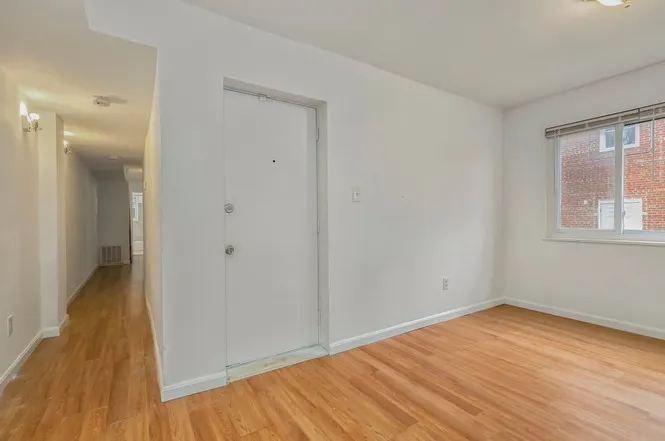
I’d recommend real estate investing to almost anyone. However, I’d strongly recommend tapping into resources (Experienced investors, podcasts, articles, etc.) before pursuing multi family properties. There are countless scenarios that come with owning a multifamily that are at least worth being aware before you decide on investing.
Will I invest in real estate again? Of course! Will I invest in real estate in Washington, DC? Eh…maybe. Will I be more equipped, knowledgeable, and prepared? Yes!